
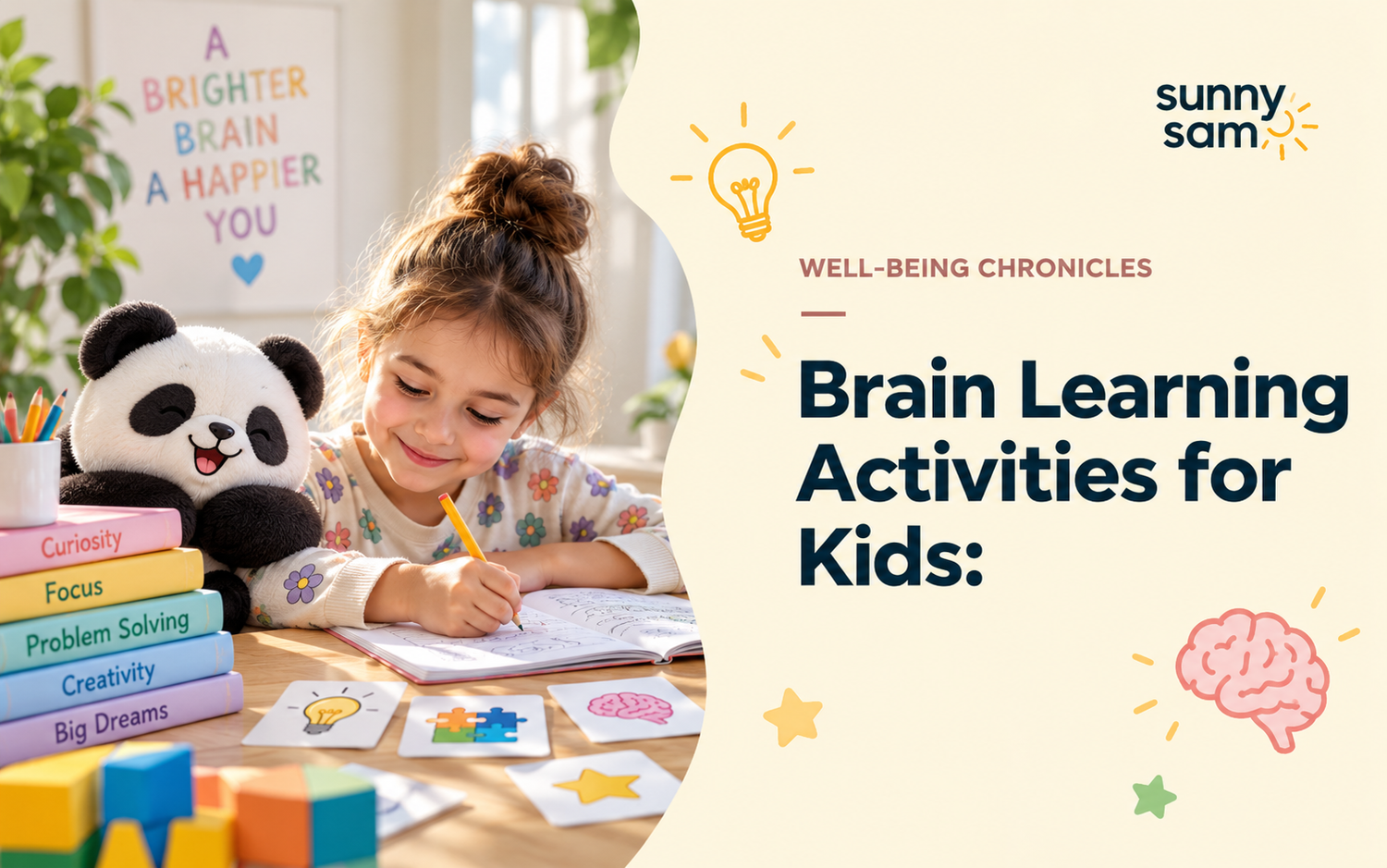

Kids are naturally curious. They ask questions, build imaginary worlds, draw things that only make sense to them, and turn the simplest object into a full adventure. That curiosity is exactly what makes childhood such a powerful time for learning.
Brain learning activities are a fun way to turn that curiosity into creativity, problem-solving, and hands-on discovery. Instead of only reading or listening, kids get to draw, build, move, imagine, and explore. It is education mixed with art, play, and a little bit of everyday magic.
And when these activities become part of a healthy routine, they can help kids feel more engaged, confident, and excited to learn.
What Are Brain Learning Activities?
Brain learning activities are simple, playful exercises that encourage kids to use different thinking skills. These can include drawing, memory games, puzzles, storytelling, hands-on crafts, building models, sensory play, or creative problem-solving tasks.
The goal is not to make learning feel like homework. The goal is to make kids feel curious.
When a child creates a colorful brain doodle, builds a model with clay, or solves a pattern game, they are doing more than just playing. They are practicing focus, imagination, memory, coordination, and flexible thinking.
Why Kids Benefit from Creative Learning
Children learn best when they are involved. A worksheet can teach one thing, but a hands-on activity can make the idea feel real.
Creative brain activities can help kids:
- Explore new ideas in a fun way
- Practice problem-solving
- Build confidence through small wins
- Express emotions and thoughts through art
- Improve patience and attention during a task
- Connect learning with play instead of pressure
For many kids, learning becomes easier when they can touch, draw, build, or imagine what they are studying. That is why colorful, creative activities are so powerful. They make abstract ideas feel simple and exciting.
7 Fun Brain Learning Activities for Kids
1. Brain Doodle Art
Give your child a blank brain outline and let them fill it with colors, patterns, words, emotions, favorite ideas, or little drawings. One side can be filled with “things I love,” and the other side can be “things I want to learn.”
This activity is simple, but it helps kids connect creativity with self-expression. It also makes the idea of the brain feel less complicated and more fun.
2. Build a Brain Model
Use clay, playdough, paper, or craft materials to create a simple brain model. Kids do not need to memorize complicated science terms. Instead, they can learn that the brain helps us think, move, remember, feel, and imagine.
You can make it playful by asking questions like:
“What part of your brain helps you remember your favorite song?”
“What part helps you decide what game to play?”
“What part helps you calm down when you feel upset?”
The answers do not have to be perfect. The conversation is the learning.
3. Memory Tray Game
Place 8–10 small objects on a tray. Let your child look at them for 30 seconds. Then cover the tray and ask them to name as many items as they remember.
To make it more creative, use colorful objects like buttons, crayons, toy animals, stickers, shells, or blocks.
This game supports memory, attention, and observation skills, but it feels like play.
4. Story Builder Challenge
Choose three random items, such as a pencil, a dinosaur, and a star. Ask your child to create a short story using all three.
This activity helps with imagination, language skills, flexible thinking, and confidence. It is especially fun when the story becomes silly. Kids often learn better when they are laughing.
5. Pattern Play
Use beads, blocks, stickers, or colored paper to create patterns. Start simple, like red-blue-red-blue, then slowly make the pattern more challenging.
Pattern games help kids practice logic, sequencing, and prediction. These are important thinking skills that support early math and problem-solving.
6. Emotion Brain Map
Draw a simple brain shape and ask your child to fill it with different emotions using colors. For example, yellow can be happy, blue can be calm, red can be angry, and green can be excited.
This helps kids understand that thoughts and feelings are connected. It also gives them a gentle way to talk about emotions without feeling pressured.
7. Focus Jar Activity
Fill a clear jar with water, glitter, and a little glue. Shake it and watch the glitter swirl around. Explain that sometimes our thoughts feel busy like the glitter, but when we pause, breathe, and wait, everything slowly settles.
This is a beautiful activity for teaching calm moments, patience, and emotional awareness.
Creating a Brain-Friendly Daily Routine
Learning activities are wonderful, but kids also need balance. A brain-friendly day is not only about doing more educational tasks. It is about creating a routine that supports the whole child.
That means:
- Enough sleep
- Outdoor play
- Nutritious meals
- Hydration
- Screen-time balance
- Creative learning
- Calm moments
- Consistent daily habits
Small routines can make a big difference. A few minutes of creative play, a calm evening ritual, or a simple learning game after school can help kids feel more grounded and ready to explore.
Where Supplements Can Fit Into a Healthy Routine
Supplements should never replace a balanced diet, sleep, movement, or healthy daily habits. But for many families, they can be one helpful part of a consistent wellness routine.
Sunny Sam Magnesium Gummies for Kids can be included in an evening routine focused on calm, rest, and overall nervous system wellness. Magnesium is an important mineral involved in many normal body functions, and a calm routine can help kids transition from busy days to quieter evenings.
Sunny Sam Iron Gummies for Kids may be a helpful option for families looking to support everyday wellness and energy, especially when iron intake is something parents are paying attention to. Iron is an essential mineral that helps support normal oxygen transport in the body.
As always, parents should follow the product directions and speak with a pediatrician if they have questions about their child’s individual needs.
A Simple After-School Brain Boost Routine
Here is an easy routine parents can try:
First, give your child a snack and water after school.
Then, do 10–15 minutes of a creative brain activity, like doodling, pattern play, or a memory game.
After that, allow free play or outdoor movement.
In the evening, create a calmer routine with reading, gentle conversation, and screen-free time before bed.
This type of rhythm helps learning feel natural instead of forced. Kids get structure, creativity, movement, and rest — all in one day.
Brain learning activities are not about making kids “smarter” overnight. They are about giving children more chances to explore, create, think, and feel proud of what they can do.
When learning feels colorful and playful, kids are more likely to enjoy it. They become curious. They ask questions. They try again. They build confidence.
And when creative learning is paired with healthy daily routines, nutritious food, movement, rest, and thoughtful wellness support, it becomes part of a bigger picture: helping kids grow with energy, imagination, and joy.
So grab the crayons, clay, blocks, glitter, and paper. A little brainpower adventure can start right at the kitchen table.
Creative activities, play, and proper nutrition all contribute to healthy brain development. Alongside engaging learning experiences, gummy supplements containing key nutrients like magnesium and Iron can help support growing minds, making it easier for children to thrive both inside and outside the classroom.
Shop Here 👇
https://sunny-sam.com/products/iron-gummies-kids-vitamin-immune-support