
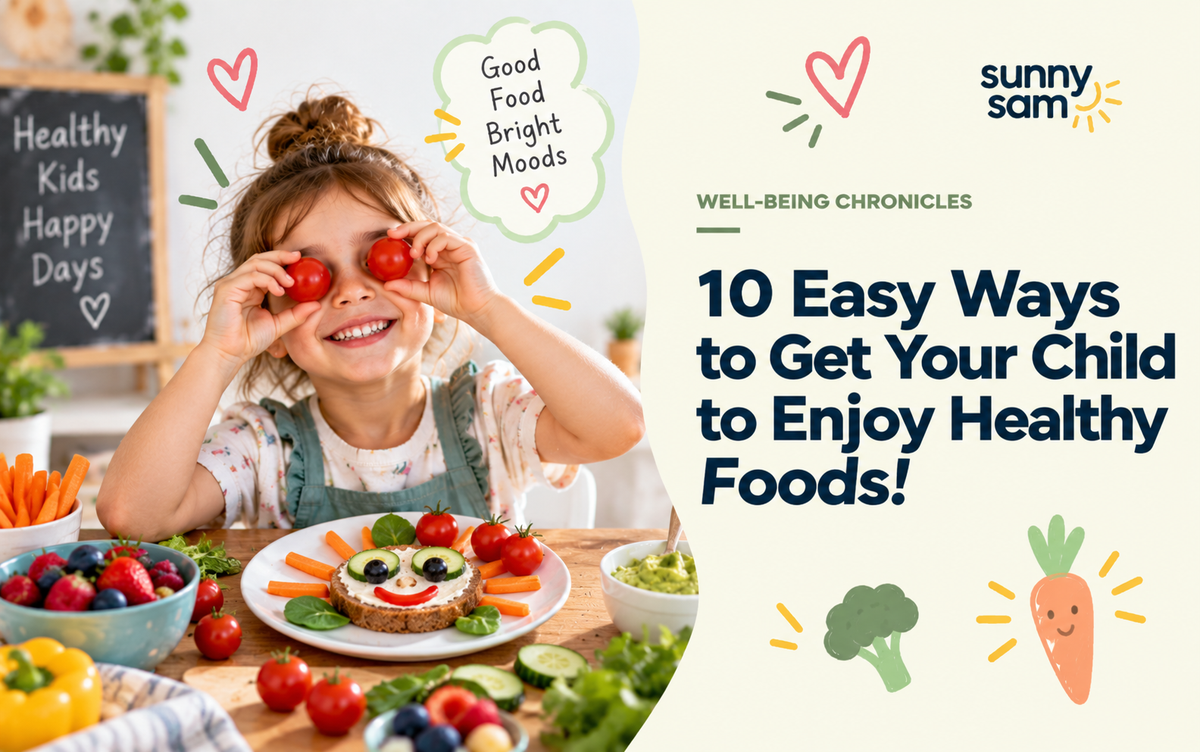

Help your child develop healthy eating habits. Healthy eating for children is a priority for all parents. We've heard a lot of negative press lately, and adults are also trying to eat as healthily as possible, which is especially good—when a child sees adults eating this way, rather than simply "forcing" it on them, it becomes the norm. Children always imitate their parents, so try to be a role model. Help your child develop healthy eating habits.
Frequently offer a variety of foods from different food groups: meat products, dairy products, grains, fruits, and vegetables. This will help them get the nutrients they need. Cook together, discuss the process, and make your family dinners a good tradition. It's important not only to choose healthy foods but also to follow the rules for choosing them. For example, meat products themselves should be fresh and healthy, but recently there's been a lot of talk about proper storage practices. At markets and stores, you can often see various types of unsafe and unhygienic products on shelves, including meat products, sausages, and hot dogs, which everyone has likely seen. This, of course, also creates mistrust in consumers. Products stored at the wrong temperature, without packaging, and in inappropriate conditions, despite being fresh, are completely vulnerable to bacteria and environmental contaminants. Therefore, it's always best to ensure that products are properly packaged, especially sausages and hot dogs, as children also love them. Therefore, when purchasing them, special care is required to ensure their cleanliness, safety, and proper packaging. Protected atmospheric packaging in special containers ensures maximum preservation of the flavor, aroma, and quality of prepared meat products.
Therefore, when purchasing products, it's essential to pay attention to their quality, storage conditions, and packaging, and not just the fact that they are generally considered healthy.
So, let's now look at the basic rules a parent should follow if they want their child to develop a healthy eating habits.
1. Lead by example.
Choose fruits and vegetables as main dishes. Show your child that you eat them too.
2. Go grocery shopping together.
Talk. Explain how fruits, vegetables, dairy, and meat products get to the store shelves. Show them what to buy and what not to buy. Teach your child to make healthy food choices independently.
3. Cook together.
Come up with new recipes together, cut out fun shapes from fruits and vegetables using cookie cutters. Choose the foods you'll take with you on outings together.
4. Offer one dish for the whole family.
Sometimes, plan a family dinner with your child, with one dish in mind.
5. Reward with attention, not food.
If your child doesn't finish their soup, don't reward them with sweets in exchange for soup, as this will lead them to believe that sweets are more important than soup.
6. Talk during family dinner.
Review the past day, talk about something interesting. Turn off the TV. Phone calls can be answered later.
7. Listen to your child.
If it's not yet dinnertime and they're hungry, offer them light vegetables or fruit. Your child should have a choice. For example: What would you choose for dinner, broccoli or cauliflower? And no: you'll have broccoli for dinner!
8. Limit screen time.
Limit time on the computer, TV, and playing video games.
9. Encourage physical activity.
Walking, running, cycling – make these enjoyable ways to spend your free time.
10. Set a healthy eating example
Try new foods, describe their tastes and smells, and eat healthy yourself. This will engage your child, and they'll want to try new foods too. Offer only one new food at a time and only when they're hungry. Never force them to finish everything.
Encouraging kids to eat a balanced diet is the best way to support their growth and overall wellbeing, but sometimes extra nutritional support can help fill the gaps. Magnesium gummies can be a convenient and child-friendly option for families looking to complement healthy eating habits
https://sunny-sam.com/products/citrate-gummies-kids-calm-support