
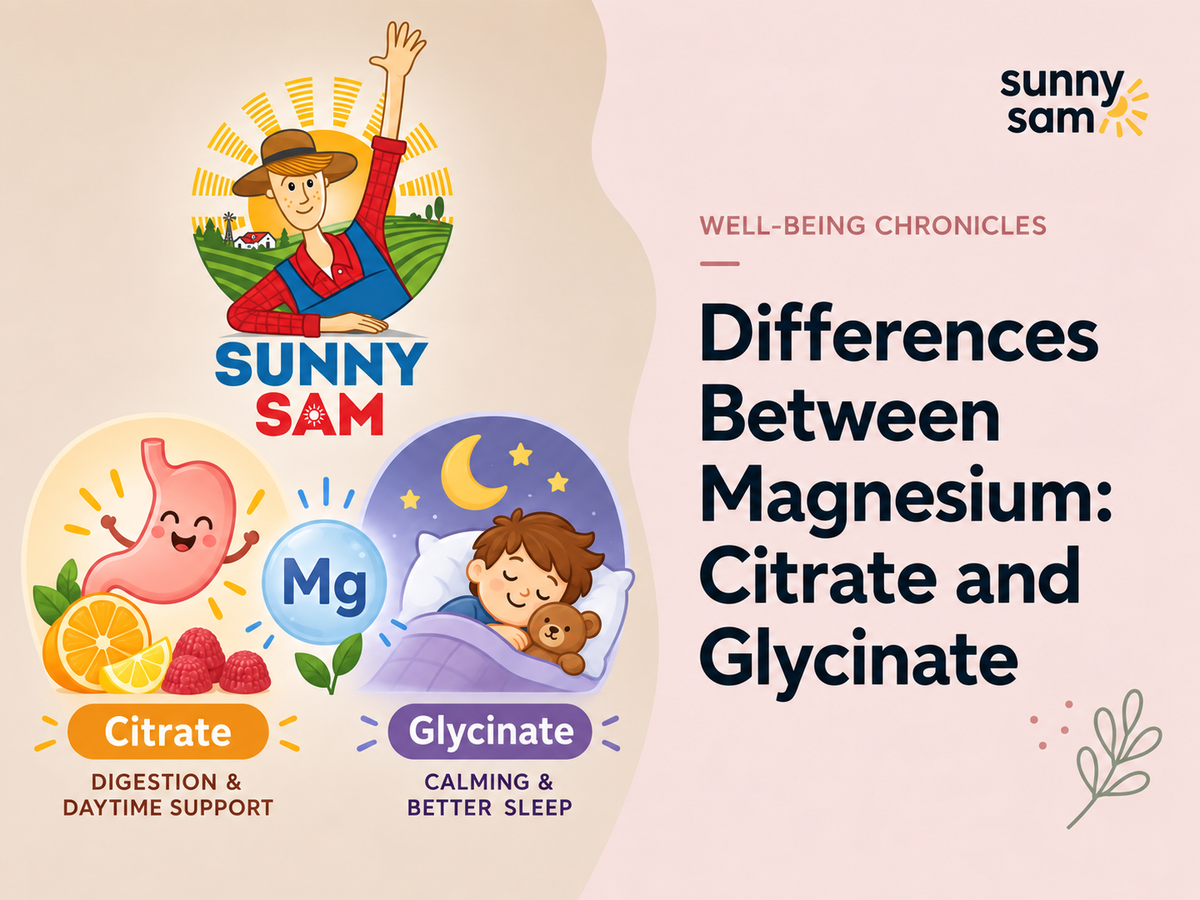

Stand in front of a supplement shelf for more than thirty seconds and you'll see it: magnesium glycinate here, magnesium citrate there, and about six other bottles claiming to be the "best" magnesium you can buy. Magnesium glycinate and magnesium citrate are, by far, the two forms people ask about the most, and for good reason. Both are considered highly bioavailable forms of magnesium, but they are not interchangeable, and the differences between magnesium citrate and magnesium glycinate actually matter depending on what you're trying to fix.
Magnesium bis-glycinate, which is just the more technical name for magnesium glycinate, has become one of the most talked-about supplements out there right now, and it's not hype for no reason. Magnesium glycinate is magnesium bonded to two molecules of the amino acid glycine, a calming amino acid in its own right, and that pairing is exactly why magnesium glycinate has built such a strong reputation for being gentle and steady rather than harsh. Magnesium citrate, on the other hand, is magnesium bonded to citric acid, and it's earned its own reputation, mostly for being fast-acting and, frankly, a little more likely to send you running to the bathroom.
This article breaks down magnesium bis-glycinate and magnesium citrate side by side: what each one is actually good for, how they behave once they hit your digestive system, which one absorbs better and why, and which one people reach for when muscle cramps are the actual problem. We'll also get into the questions that come up constantly around magnesium glycinate specifically, things like whether it can cause headaches, whether you can combine magnesium citrate and magnesium glycinate, and whether 500mg of magnesium glycinate is actually too much. If you've been going back and forth between magnesium citrate and magnesium glycinate trying to figure out which bottle deserves a spot on your counter, this should clear things up.
Magnesium Bis-glycinate's Unique Benefits
Magnesium bis-glycinate has a specific reputation, and it's earned it. The defining feature of magnesium glycinate is the glycine it's bonded to, and glycine isn't just a passive carrier molecule along for the ride. Glycine itself functions as an inhibitory neurotransmitter in the body, meaning it has a naturally calming effect on the nervous system, and when you take magnesium glycinate, you're getting the benefits of magnesium plus the benefits of glycine working together rather than magnesium acting alone.
This combination is exactly why magnesium glycinate has become such a go-to for people focused on sleep and stress. Magnesium bis-glycinate is frequently used in the evening specifically because glycine has been studied for its ability to support deeper, more restorative sleep, and pairing that with magnesium's own role in calming nervous system activity gives magnesium glycinate a genuinely different feel compared to other forms. People who supplement with magnesium citrate for sleep sometimes report it works, but magnesium glycinate tends to be the form specifically recommended when relaxation and sleep quality are the primary goal.
There's also the tolerability piece, which honestly might be magnesium glycinate's biggest selling point. Because magnesium bis-glycinate is absorbed differently than magnesium citrate, through intestinal pathways rather than relying heavily on osmotic pull, magnesium glycinate rarely causes the loose stools and digestive urgency that magnesium citrate is known for. This means magnesium glycinate can typically be taken at higher, more therapeutic doses without the digestive chaos that would come from taking an equivalent dose of magnesium citrate. For anyone who's tried magnesium citrate and given up because of stomach issues, magnesium glycinate is usually the next form worth trying, since magnesium bisglycinate was essentially built to solve that exact problem.
Magnesium Citrate's Unique Benefits
Magnesium citrate earns its popularity a completely different way than magnesium glycinate does, and understanding that difference is really the whole point of comparing magnesium citrate and magnesium glycinate in the first place. Magnesium citrate is magnesium bound to citric acid, the same acid naturally found in citrus fruits, and that bond gives magnesium citrate a distinct advantage: it dissolves easily and gets absorbed efficiently in the intestine, which is part of why some research has actually ranked magnesium citrate among the most bioavailable forms tested, even ahead of magnesium glycinate in certain studies.
The other defining trait of magnesium citrate is its effect on digestion, and unlike magnesium glycinate, this is a feature rather than a side effect for a lot of people. Magnesium citrate has a genuine osmotic effect in the gut, meaning it draws water into the intestines, and that's exactly why magnesium citrate is so commonly recommended for occasional constipation. If someone's main goal is supporting regularity alongside topping up magnesium levels, magnesium citrate does double duty in a way magnesium glycinate simply isn't designed to.
Magnesium citrate also tends to be the form doctors reach for when someone has a confirmed magnesium deficiency that needs correcting relatively quickly, since its high bioavailability means magnesium citrate gets into the bloodstream efficiently. The tradeoff, and it's a real one, is that magnesium citrate's laxative effect can turn into genuine gastrointestinal discomfort at higher doses, something magnesium glycinate users rarely deal with. So while magnesium bis-glycinate wins on gentleness, magnesium citrate wins on raw absorption speed and its added digestive benefit, which is exactly why so many people end up choosing between magnesium citrate and magnesium glycinate based on which of those two things they actually need.
Differences in Digestion
This is really where magnesium citrate and magnesium glycinate part ways the most dramatically, and it comes down to how each form physically moves through your gut. Magnesium citrate works partly through osmotic action, meaning it pulls water into the intestinal tract as it moves through, and that extra fluid is what softens stool and speeds things along. It's an effective mechanism, but it's also the exact reason magnesium citrate has such a strong reputation for causing loose stools, cramping, or outright diarrhea when the dose creeps up.
Magnesium glycinate takes a fundamentally different route. Because magnesium bis-glycinate is chelated, meaning the magnesium is tightly bound to glycine molecules, it gets absorbed through intestinal pathways that don't rely on that same osmotic pull. This is the core reason magnesium glycinate is so much gentler than magnesium citrate on a sensitive stomach. Magnesium glycinate doesn't need to drag extra water into the gut to be absorbed, so it skips the mechanism that makes magnesium citrate so hit-or-miss for people with digestive sensitivity.
This difference matters more than it might seem on paper. Someone who needs a genuinely daily, long-term magnesium routine is usually steered toward magnesium glycinate specifically because the digestive tolerability makes consistency realistic, while magnesium citrate tends to work better as more of an occasional or short-term tool, especially when constipation relief is part of the goal alongside raising magnesium levels. Neither digestive profile is "better" across the board, magnesium citrate's laxative tendency is genuinely useful for some people and genuinely disruptive for others, and the same goes in reverse for how gently magnesium glycinate tends to sit in the stomach. Knowing your own digestive tendencies is honestly the biggest factor in choosing between magnesium citrate and magnesium glycinate.
Which One Is More Bioavailable and Why?
Bioavailability is the technical term for how much of a supplement your body actually absorbs and uses, versus how much just passes through unused, and it's genuinely one of the most debated points when people compare magnesium citrate and magnesium glycinate. The honest answer is that both are considered high-bioavailability forms compared to cheaper options like magnesium oxide, but the two get there in different ways, and depending on which study you're reading, either one might edge out the other.
Magnesium citrate's bioavailability comes from how easily it dissolves. Because magnesium citrate breaks down efficiently in the digestive tract, it becomes available for absorption quickly, and some clinical research, including a trial published in the Journal of the American College of Nutrition, has specifically identified magnesium citrate as one of the most bioavailable forms tested against several alternatives. That's a meaningful data point in magnesium citrate's favor.
Magnesium glycinate's bioavailability works through a different mechanism entirely. Because magnesium bis-glycinate is chelated to glycine, it gets absorbed via peptide transporters in the gut, essentially hitching a ride using pathways your body already uses to absorb amino acids. This route tends to bypass some of the competition magnesium normally faces with other minerals like calcium and iron for absorption space, which is part of why magnesium glycinate is often described as having enhanced or superior absorption relative to inorganic magnesium salts. Some head-to-head research has found magnesium bis-glycinate chelate produces higher serum magnesium responses than standard forms at equivalent doses. So in practice, magnesium citrate wins on speed and raw dissolution, while magnesium glycinate wins on absorption efficiency and how little competition it faces getting into your bloodstream, which is exactly why both magnesium citrate and magnesium glycinate get labeled "highly bioavailable" without one being a definitive, universal winner over the other.
Which One Is Better for Muscle Cramps?
Muscle cramps are one of the most common reasons people start looking into magnesium in the first place, and both magnesium citrate and magnesium glycinate come up constantly in that conversation, though for slightly different reasons. Magnesium plays a direct role in muscle relaxation by acting as a natural calcium-channel blocker, essentially keeping calcium from over-triggering muscle contraction, which is the basic mechanism behind why low magnesium is so often linked to cramping, twitching, and muscle tightness in the first place.
For actually treating cramps day to day, magnesium glycinate tends to be the form most commonly recommended first, and it's less about magnesium glycinate being biologically superior for cramps specifically and more about practicality. Magnesium bisglycinate can be taken at higher, more consistent doses without triggering the digestive issues magnesium citrate is known for, and consistency matters enormously for something like cramps, which tend to respond better to steady magnesium levels over time rather than a one-time dose. Glycine itself also has some muscle-relaxant properties on top of magnesium's own effect, giving magnesium glycinate a bit of a combined advantage for this specific use case.
That said, magnesium citrate absolutely still has a place here, particularly for people who also happen to deal with constipation alongside cramping, since magnesium citrate can address both at once. Research specifically looking at leg cramps has found magnesium citrate to be effective when dosed appropriately, so it's not that magnesium citrate doesn't work for cramps, it's more that magnesium glycinate tends to be the easier, more sustainable option for ongoing, nightly use. If nighttime leg cramps are the main issue, most people land on magnesium glycinate first and only consider magnesium citrate if digestion needs a nudge too.
Frequently Asked Questions About Magnesium Glycinate
Can Magnesium Glycinate Cause Headaches?
It's uncommon, but yes, some people do report a headache shortly after starting magnesium glycinate, especially when first beginning a new routine. This is typically tied to a temporary shift in mineral balance rather than anything alarming, and it tends to resolve once your body adjusts to consistent magnesium glycinate supplementation. Staying well hydrated when taking magnesium glycinate genuinely helps, since minerals need adequate water for proper transport and use in the body. If headaches from magnesium glycinate persist beyond the first week or two, it's worth checking your dose against the recommended amount, since taking more magnesium glycinate than needed can occasionally contribute to this kind of reaction.
Can You Take Magnesium Citrate and Magnesium Glycinate Together?
Technically, yes, you can take magnesium citrate and magnesium glycinate together, and some people do combine them intentionally to get magnesium citrate's digestive support alongside magnesium glycinate's calming, gentler profile. That said, combining magnesium citrate and magnesium glycinate does raise your total magnesium intake, so it's important to track the combined elemental magnesium from both forms and stay under recommended limits. This matters especially for anyone with reduced kidney function, since elevated magnesium levels are more of a risk when the kidneys aren't clearing excess magnesium efficiently. If you're unsure, running the combination of magnesium citrate and magnesium glycinate by a healthcare provider first is the safer move.
What Can You Not Take Magnesium Glycinate With?
Magnesium glycinate can interfere with how well certain medications get absorbed, mainly through a process called chelation, where magnesium physically binds to a drug in your gut. Tetracycline and fluoroquinolone antibiotics are the biggest concern, since magnesium glycinate can significantly reduce how much of these antibiotics actually reach your bloodstream. Thyroid medications like levothyroxine and bone density drugs called bisphosphonates are also sensitive to magnesium glycinate if taken too close together. The general rule is spacing magnesium glycinate at least two hours before or four to six hours after these medications, but checking with a pharmacist about your specific prescription is always the safest bet before combining anything with magnesium glycinate.
Is 500mg of Magnesium Glycinate Too Much?
This trips a lot of people up, but 500mg of magnesium glycinate is almost never as much magnesium as it sounds like. That 500mg refers to the total weight of the compound, not the actual elemental magnesium your body uses, and magnesium glycinate is only roughly 14 percent elemental magnesium by weight. That means 500mg of magnesium glycinate typically provides somewhere around 70mg of actual elemental magnesium, which sits comfortably under the 350mg tolerable upper limit set for supplemental magnesium. So for most healthy adults, 500mg of magnesium glycinate is a perfectly normal, safe daily amount, not an excessive one.
Does Magnesium Glycinate Make You Sleepy?
Magnesium glycinate doesn't work like a sedative, but it can genuinely support better sleep, which is a little different than making you sleepy in the moment. The glycine bonded to magnesium in magnesium glycinate has a calming effect on the nervous system, and magnesium itself helps regulate the neurotransmitters involved in winding down, so many people do notice they feel more relaxed and ready for sleep after taking magnesium glycinate, especially when it's taken consistently in the evening. It's less "instant drowsiness" and more a gradual, supportive nudge toward better rest, which is exactly why magnesium glycinate has become such a popular part of nighttime routines.
When to Take Magnesium Glycinate?
Timing really depends on your goal. Most people take magnesium glycinate in the evening, roughly thirty to sixty minutes before bed, specifically to take advantage of its calming effect on relaxation and sleep. If your main reason for taking magnesium glycinate is supporting energy metabolism or muscle recovery around exercise instead, taking it earlier in the day or before a workout works just as well. What actually matters most with magnesium glycinate isn't the exact hour, it's consistency, taking magnesium glycinate at the same general time every day tends to produce better, more noticeable results than sporadic use.